Artistic Approach
The film is built on a hybrid aesthetic that combines observational cinema with experimental storytelling.
1. Unique Filming
The film is created in the format of observational documentary cinema, where the camera becomes an invisible part of the event. One of the key elements of the project is its unique filming approach, where:
- participants and organizers forget about the presence of cameras — thanks to director Dmitry Korikov, who works not as an outside observer but as part of the environment.
- there is no large crew on set — all the work is done by a single filmmaker. He performs the roles of director, cinematographer, and sound engineer, and with the help of modern technology and AI tools for sound post-production, filming becomes more discreet and organic while speeding up decision-making on the spot.
- thanks to his talent and solo work, Dmitry can fully immerse himself in what’s happening: he attends all meetings, follows the protagonists across locations, interacts with every participant, assists the RASA team, and simultaneously captures footage without breaking the authenticity of the moment.
This style allows for very honest shots, where people’s emotions and reactions are natural and unforced. People stop noticing the camera and behave as if no one is filming them — creating a feeling of genuine presence rather than detached observation.
2. Dramaturgy as a Contrast Between Daytime Reality and Nighttime Magic
The central metaphor of the film is the contrast between day and night.
Daytime shots of Six Flags Magic Mountain look ordinary, almost dull:
- office work
- technical inspections
- negotiations with the park’s owners
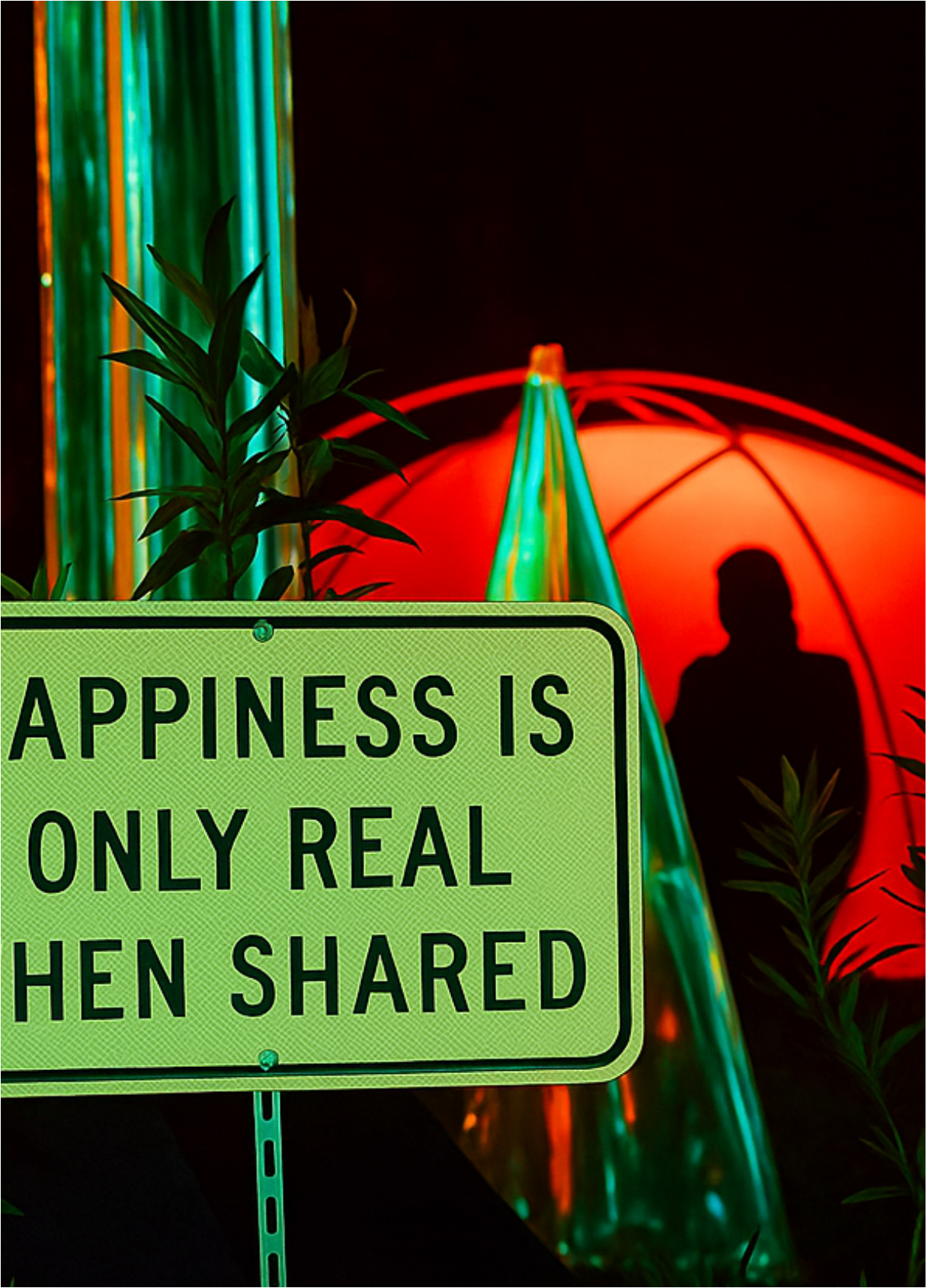
But as night falls, everything changes. We use a sharp visual shift in the color palette: from cold, rational tones to rich, pulsating neon, which becomes a visual tool of transformation. This transition reinforces the narrative that the space can change — and with it, the people within it.
3. Music as a Narrative Tool
Electronic music is not just background — it is the driving force of the story. We integrate DJ sets (Maejor and others) into the structure of the film in the same way it is done in projects like Homecoming or Woodstock.
- musical tracks help control the rhythm of editing
- the sounds of techno and house become tools for building emotional tension
- we work with music so that it not only accompanies the visuals but also shapes the perception of each frame
4. Stylization Through Color Grading
We use color grading as a way to shape the mood:
- in daytime scenes — more neutral tones, close to documentary realism
- at night — bright, saturated colors dominated by blue, purple, and neon shades, emphasizing the transformation of the space and its people
Color becomes a character in its own right — it shows how the world changes under the cover of night
5. Editing as the Movement of the Heart
The editing will be built around a pulsating rhythm, imitating the beating of a heart:
- in moments of tension — a fast pace, sharp cuts, noise, and sudden shifts in lighting
- in moments of triumph — long, smooth shots that allow the viewer to feel the scale and freedom
We will also use multi-cam editing to show a single event from multiple angles — as in the film Woodstock, where the details are just as important as the big picture
6. Graphics and VFX as Storytelling
The intro and outro will be designed as dynamic animations, where music and light composition create an emotional entry into the story. Graphics will be used not only for titles but also to convey the inner state of the characters:
- the pulse of time
- emotional graphs
- visualization of decisions and conflicts
7. Sound Design
Sound will become the translator of emotions:
- the roar of roller coasters, the vibration of the ground, and the voices of the crowd — all of it will be blended with DJ sets and voice-over narration
- in moments when a character hesitates, we will hear the sound of emptiness, the wind, or the slowed-down rhythm of their own breathing
This film is not just a recording of a festival. It is an audience experience built on contrasts, movement, and immersion into the night.
Analysis of Similar Projects
Woodstock (1970)
- a documentary film about the legendary music festival
- structure: A mixed chronology of performances and attendee interviews
- awards: Oscar for Best Documentary Feature, nominations for editing and sound
- budget: $600,000
- box office: $50,000,000
- IMDb rating: 8.1
- key takeaway: innovative editing solutions that can be applied
Fyre: The Greatest Party That Never Happened
- a film about the organization of a failed music festival
- structure: linear narrative with the backstory of the main protagonist
- awards: 4 Emmy nominations
- IMDb rating: 7.2
- key takeaway: showcasing the teamwork of organizers and effectively revealing the central conflict
Homecoming: A Film by Beyoncé
- a concert film with behind-the-scenes elements
- structure: performance interwoven with rehearsals
- awards: 6 Emmy nominations
- IMDb rating: 7.6
- key takeaway: showcasing the preparation process, the personal lives of the team, division into chapters with quotes, and the philosophy behind the performance
Woodstock: Three Days That Defined a Generation
- a film about the organization of the legendary festival
- structure: linear — from the organizers’ backstory to the festival’s conclusion
- budget & box office: U.S. box office – $84,440
- IMDb rating: 7.6
- key takeaway: successfully depicts the challenges of organizing the event and overcoming them, while presenting the mission and philosophy behind the festival
The First Monday in May
- a film about the organization of the Met Gala
- structure: linear
- awards: none
- budget & box office: U.S. box office – $527,474
- IMDb rating: 7.1
- key takeaway: shows the organizers’ team, reveals the preparation process, includes background on fashion, and features fascinating archival footage
Features
Our project about RASA World and its events is flexible in format, which allows it to be presented either as a standalone documentary film or integrated into a larger documentary series about the creation of iconic music and cultural events
As a Standalone Film
If the project is released as an independent film, it will focus on the uniqueness of RASA World, its philosophy, and its cultural impact. The spotlight will be on the Thrill City festival and other landmark events.
This format will allow for a deeper exploration of:
- the history of the company and its evolution from small events to large-scale festivals
- the transformation of participants and organizers through art, music, and technology
- the challenges and triumphs of organizing events that change the way people perceive the world
The film can be presented on major streaming platforms (Netflix, Hulu, HBO Max) and submitted to prestigious documentary film festivals (Sundance, Berlinale, Tribeca)

As an Episode in a Documentary Series
The project fits perfectly into the format of a documentary series, where each episode focuses on the organization of an iconic event such as Coachella, Burning Man, or Tomorrowland. In this case, the episode about RASA World would become a key part of a larger narrative about the entertainment industry.
The RASA episode could include:
- the preparation for Thrill City: logistics, technical challenges, and creative solutions
- RASA’s unique approach to creating immersive environments where art, music, and technology merge into one
- emotional stories of participants and organizers that show how these events transform lives
Integrating the project into a series would make it possible to tell a broader and more detailed story, highlighting RASA’s role within the global entertainment industry.
Advantages of Both Formats
- standalone film: provides the opportunity to dive deep into RASA’s story, create a complete narrative, and highlight the uniqueness of their approach
- series episode: allows for a comparison of RASA with other legendary events, showcasing their innovations and place in modern culture
Both formats have the potential for wide distribution and can be adapted depending on the project’s goals and target audience.
Contact Information
DK FILMS